
Book a free 30-minute call to start building the life you want with your dog.
Sydney Dog Trainer. We Don't just Train Dogs, We help People.
I don’t just train dogs! I help people and their dogs live their best, happiest & healthiest lives together
So far, I’ve helped over 4000 puppy owners, rescue dog owners and owners of dogs with behaviour issues across Sydney & around the world overcome unwanted behaviours and set solid foundations for the rest of their lives.
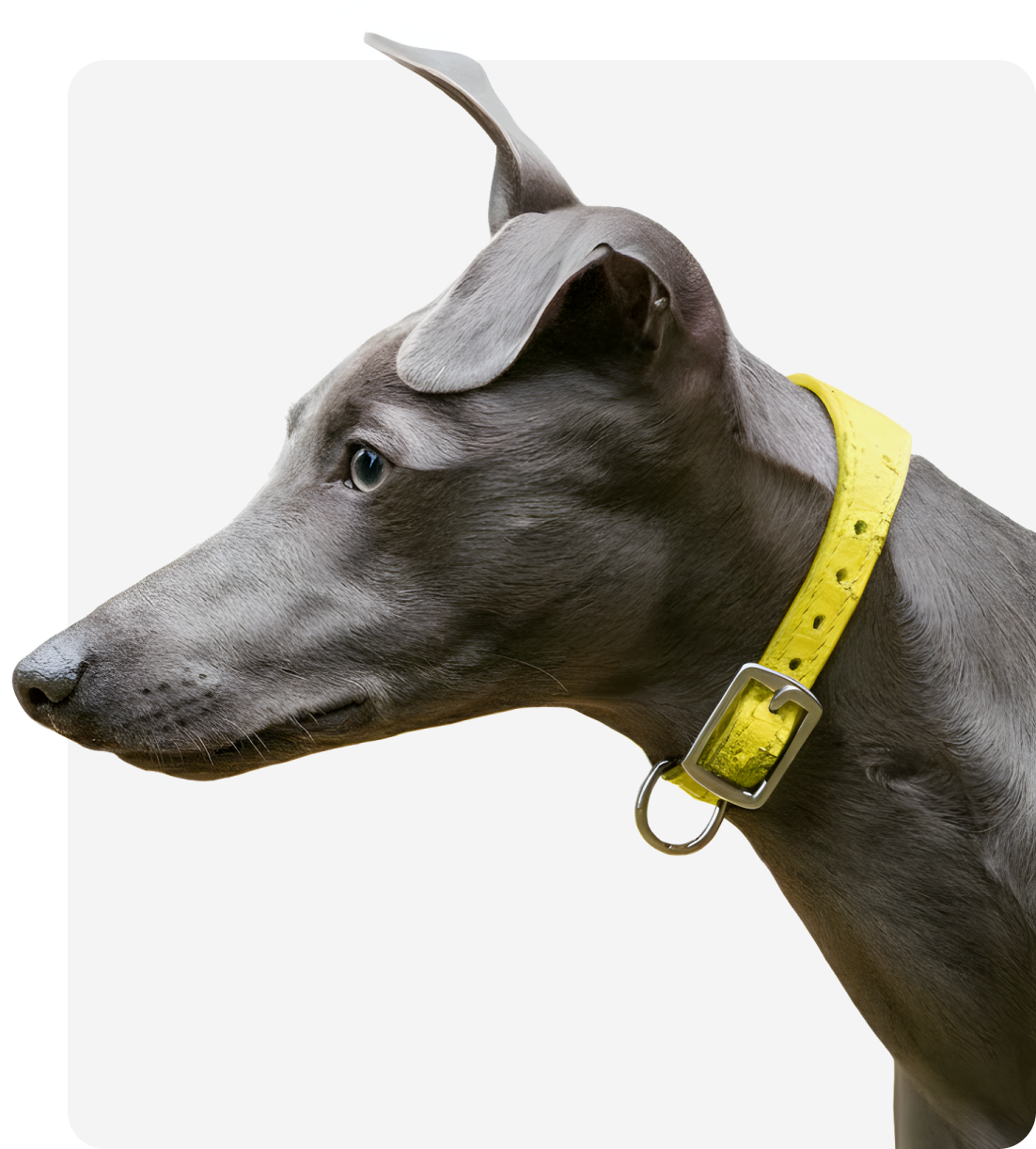

Real Solutions for Real Dog Challenges
I’m not here to just create obedient dogs — I help you build a great life with your dog, based on connection, emotional health, and meeting the needs of both ends of the leash. A healthy dog is a happy dog, and a happy dog is a joy to live with!

Aggression & Reactivity
Puppy Training
Rescue Dogs
Off Leash Recall
Issues in the Home
Children & Dogs
Fear & Anxiety
Socialisation
Leash Walking
Resource Guarding
Children & Dogs
Fear & Anxiety
Socialisation
Leash Walking
Resource Guarding

What’s Unique About Me?
I believe emotional safety comes before obedience.
I believe emotional regulation matters more than surface-level control.
I believe in being disciplined and that our dogs need guidance, not intimidation.
I believe dogs are not problems to fix — they are living beings to support.
I believe clarity teaches, consistency reassures, and kindness connects.
And when a dog feels safe and understood — everything else follows.
Having a dog can be one of the best parts of life, but when things go wrong, it can feel overwhelming. If your dog barks excessively, destroys things, struggles to relax, or shows signs of stress, anxiety, or reactivity — they’re likely having a hard time too.
I see these challenges every day, but the good news is — you and your dog can live happy, healthy lives together. Every person and dog is different, so I tailor my approach to suit your unique needs.
Whether you’re just starting your journey or trying to get back on track, it takes effort, patience, and understanding. Since 2015, I’ve helped over 4,000 people and their dogs using my unique framework, The Five Pillars of Emotional Stability — and I’m here to help you too.
1:1 Training with Bondi Behaviourist
Don’t miss out - I only take on a limited number new clients each month. Training programs designed to create the life you want with your dog:
The Complete Care Program
10 Weeks - The Tried & Tested System To Set You & Your Dog Up To Succeed.
10 X In Home Consultations - I travel Sydney wide and come to you to get to know you, your dog, your goals and the situation. - Ideally sessions held on a weekly basis.
Training Equipment Included - To guarantee you have the right gear for the job.
Toys & Enrichment Included - So that your dogs needs are never left unmet.
LifetimeAccess to Canine Caregivers
-
You will always have me in your corner to ask questions, get feedback and celebrate your wins with your support channel - this channel is your portal to ask questions, send videos to review and to keep me updated after and in between your sessions to ensure you get the support you need.
-
Packed full with educational online resources including the ‘Five Pillars of Emotional Stability’ webinar series
LifetimeAccess to TRACE - Dog Training AI
- TRACE has been built by Ian Shivers to learn everything he knows, trained from thousands of real life consultations, studies, blogs, articles and more to give you a dog trainer in your pocket 24 hours a day.
Discounts on Classes, Treats, Equipment & Foods.
And Much More…
The Starter Program
The flexible program designed to get you off to the best start possible and allow you to go at your own pace.
2 X In Home Consultations - I travel Sydney wide and come to you to get to know you, your dog, your goals and the situation.
4 Weeks Complimentary Access to Your Private Support Channel
-
You will always have me in your corner to ask questions, get feedback and celebrate your wins with your support channel - this channel is your portal to ask questions, send videos to review and to keep me updated after and in between your sessions to ensure you get the support you need.
- Packed full with educational online resources including the ‘Five Pillars of Emotional Stability’ webinar series
- You can continue with access to this for just $10 every 28 days once your free access period is finished.
4 Weeks Complimentary Access to TRACE - Dog Training AI
- TRACE has been built by Ian Shivers to learn everything he knows, trained from thousands of real life consultations, studies, blogs, articles and more to give you a dog trainer in your pocket 24 hours a day.
- Access is continued if you decide to go ahead with the $10 every 28 days ongoing membership once your free access period is finished.
The option to book in group classes is granted once I work with you 1:1 and active members get 50% off all class bookings.
While your membership is active you can get great discounts on training equipment, toys, treats & dog foods, insurance, photography and more.
What Will You Get From Me?

My goal is to help you and as many other people and their dogs live happy and healthy lives together. I have a unique yet simple framework that has helped so many people and their dogs since 2015

Assess
First I want to understand you, your dog, your goals and your current situation

Create the Tailored Plan
Each training plan is different and personalised to your unique situation and dogs needs. The framework consists of:
- Explain to you why the plan is what it is so that you are completely on board with the direction. Your understanding is often the difference between following through and giving up
- Stress Relief and Recovery - If your dog is too stressed to learn new things, this step is essential. So many unwanted behaviours are driven by how the dog feels, not just simply a dog doing 'bad' things. If we shoot not just for well trained dogs, but healthy emotions and healthy emotional regulation we see our dogs behaviour improve beyond anything that obedience alone could ever teach them.

Implement the Five Pillars
Our unique framework within the framework that when we fulfill, creates the life you and your dog dream of:
- Communication & Handling Skills - Teach you how to communicate with your dog, train them and handle them to boost your confidence and your dogs skills
- Enrichment - I’ll teach you what your dog finds most satisfying and enriching and how to incorporate it into your dogs life so that you can be sure that your dogs are truly happy
- Exercise - Getting the type and amount of exercise your dog needs is essential for their behavioural health. We want to ensure we’re getting it right for the individual, avoiding compulsion and addictive behaviours and always doing our best to not compromise the mental and emotional health of our dog in the name of exercise
- Healthy Feeding Routines - I can teach you how to use your dog’s food to create healthy, predictable habits that support healthy emotional balance.
- Sleep & Rest - Our dogs need not only a lot of sleep each day (roughly 14-18 hours a day) but we need to be promoting healthy sleep cycles where our dogs fall into deeper sleeps of longer than one hour to facilitate healthy restoration and recovery. Without this, our dogs will not be at their best and neither will their behaviour

Growth and Progression
As your dogs stress decreases, resilience increases, your handling skills improves and your communication builds you can begin to do more challenging things together

Ongoing Assessment & Improvement
Progress isn’t always perfect — dogs are living beings, and life changes. That’s why we regularly assess and adjust our approach to keep training effective and balanced.
Many people try hard but still struggle because they follow generic or conflicting advice. My goal is to help you understand your dog, simplify your approach, and make consistent progress.
I’ll not only teach you how to train your dog, but how to understand them and integrate training naturally into everyday life. When you do, everything improves:
- Fewer unwanted behaviours
- Easier, more effective communication
- Smarter decisions for your dog’s wellbeing
- A stronger, happier bond between you and your dog
What Others are Saying…
How We Get Results that Last
We Set Solid Foundations
We emphasise behavioural health with a focus on meeting the dogs fundamental needs. Once these are met we have a dog that is in the best fram of mind for learning.
We Know It’s about Relationships
Communication between people and their dogs is about relationships and healthy relationships are based on trust, clarity, kindness and feeling safe in each others company.
Address the Actual Issue
Getting to the bottom of what is actually causing issues and resolving it there is the key to long lasting results and supporting both the dog and the person.
Frequently Asked Questions on Sydney Dog Trainer
What Is The Difference Between Me & Other Trainers?
You won’t just get a ‘well trained’ dog when you work with us, you will learn how to create behavioural, mental, emotional and physical health. When we do this, desirable behaviour comes along for the ride.
We’re going to teach you not only how to train your dog but how to incorporate meeting your dogs enrichment needs as well as your own into your lifestyle.
We’re going to help you know your dog and WHY they do the behaviours they' do so that you have the knowledge to take with you. Giving you the keys to staying on top of their training, behaviour and wellbeing.
Who Is Suitable For Bondi Behaviourist Services
While I specialise in reactive dogs, pups, rescue and excessive barkers, I am experienced in all types of training when it comes to family dogs.
I work with anyone that has just got their dog and is looking to create solid foundations for the future.
And anyone that is trying to address serious and/or long standing unwanted behaviours.
If you know you need to change things in your dogs life and need help doing it, then this is for you.
Who Is Not Suitable For Bondi Behaviourist?
Those looking to ‘quick fix’ their dog rather than create a happy and healthy life together may not be the best fit.
We will get to the bottom of why your dog’s behaviour is the way it is and this may not move in a perfect, linear fashion as is the reality with living with and the training of a living thing in the real world.
If you’re looking for a quick fix, even if it may be detrimental to you and your dogs lives long term, then I may not be most suitable trainer for you.
What are the Five Pillars of Emotional Health?
The Five Pillars of Emotional Health underpin everything we teach people and their dogs.
- Enrichment
- Sleep, Rest & Recovery
- Healthy Diet & Eating Patterns
- Healthy Exercise
- Communication, Management & Relationship
When we get these five elements of our dogs lives right then everything falls into place.
Where Does Bondi Behaviourist Service?
Across most of Sydney. We travel as far north as Hornsby, south as the Shire, the Hills and west as Parramatta. And of we cover course Sydney’s Eastern Suburbs and central areas.
We also offer online Zoom consultations
Do You Have to Pay More If You Have More Than One Dog?
No.
We charge the same amount no matter how many dogs are in your life/household.
Can I Get Support After The Program Is Finished If Needed?
Yes absolutely.
You can also organise as many follow up sessions and extra services as you wish. I’m going to be here every step of the way with you.
Can I Pay Via a Payment Plan?
Yes payment plan options are available.